

 English
 Español
Content
- 1 How LED rechargeable lights actually work
- 2 Battery chemistry decides cycle life, safety and runtime
- 3 Runtime math: how to size the battery for your hours of use
- 4 Choose brightness by task, not by the biggest number
- 5 Main types of LED rechargeable lights and where each one fits
- 6 Charging options and what they mean in daily use
- 7 The real cost of ownership compared with disposable-battery lights
- 8 Safety, certifications and protection ratings to check
- 9 Maintenance habits that extend battery life
- 10 A buying checklist for retailers, installers and facility managers
- 11 Frequently asked questions
- 11.1 How long do LED rechargeable lights last on a single charge?
- 11.2 How many times can I recharge an LED light before the battery wears out?
- 11.3 Is it safe to leave a rechargeable LED light plugged in all the time?
- 11.4 What brightness do I need for camping, home backup and work?
- 11.5 Can I use a rechargeable LED light outdoors in the rain?
For most homes, workshops and job sites, the best LED rechargeable light is one with a lithium-based battery of 2,000 to 5,000 mAh, 300 to 1,000 lumens of adjustable output, USB-C charging and a water-resistance rating of IPX4 or better. A light like this typically recovers its extra purchase cost in under a year compared with a light that burns through disposable cells, and it can be recharged 500 times or more. The rest of this guide shows how to size the battery, match brightness to the job, compare chemistries and keep the pack healthy for years.
How LED rechargeable lights actually work
A rechargeable LED light is a small energy system built from four parts: a battery, a charging circuit, an LED driver and the LED itself. The battery stores energy as chemical potential. The charging circuit controls how that energy goes in, stopping at the correct voltage so the cell is not overfilled. The driver converts battery voltage into the steady current an LED needs, and it is also the part that creates dimming modes, flashing patterns and low-battery warnings.
The LED is the reason the whole concept works so well. A modern white LED turns roughly 100 to 150 lumens out of every watt it consumes, while an old incandescent bulb managed about 12 to 15. That is why a pocket-sized battery that would barely light a filament for ten minutes can run a 300-lumen LED for three hours or more. Efficiency at the LED is the real source of portable brightness; the battery just supplies the energy.
Most good designs also include protection circuitry. Over-charge, over-discharge, short-circuit and over-temperature protection keep a lithium cell inside its safe window. If a light does not list at least these protections, treat it as a warning sign, because the cheapest way to cut cost in a rechargeable product is to cut the protection board.
Battery chemistry decides cycle life, safety and runtime
Three chemistries cover almost every rechargeable LED light on the market. Lithium-ion is the default because it packs the most energy into the smallest space. Lithium iron phosphate (LiFePO4) trades some compactness for a much longer life and better thermal stability. Nickel-metal hydride (NiMH) is bulkier and heavier, but it fits standard cell formats and tolerates a wider range of chargers.
| Chemistry | Nominal voltage | Energy density (Wh/kg) | Typical cycle life | Best suited for |
|---|---|---|---|---|
| Lithium-ion (cylindrical or pouch) | 3.6–3.7 V | 150–250 | 300–1,000 cycles to 80% capacity | Handheld torches, headlamps, lanterns, desk lamps |
| Lithium iron phosphate | 3.2 V | 90–160 | 2,000–5,000 cycles to 80% capacity | Fixed emergency lights, solar garden lights, heavy-use work lights |
| Nickel-metal hydride | 1.2 V per cell | 60–120 | 500–1,000 cycles | Battery-format lights, products with user-replaceable cells |
The practical lesson is to match chemistry to duty cycle. A bedside lamp charged twice a week will use about 100 cycles per year, so a lithium-ion cell rated at 500 cycles lasts around five years. A wall-mounted emergency light that is constantly topped up and occasionally discharged benefits from the stability of LiFePO4, which tolerates high ambient temperatures far better than standard lithium-ion. A site work light that is drained and recharged every day racks up 365 cycles a year, and there the longer-life chemistry is simply cheaper over time.
Runtime math: how to size the battery for your hours of use
Battery capacity is usually printed in milliamp-hours, which hides the number that matters. Multiply capacity in amp-hours by nominal voltage to get watt-hours. A 3,000 mAh cell at 3.7 V holds 11.1 Wh. Divide that by the light's power draw, apply roughly 85% for conversion losses, and you have a realistic runtime estimate.
Take that 11.1 Wh pack and an LED system producing about 100 lumens per watt. Output of 100 lumens draws about 1 W and runs close to 9.4 hours. Raise output to 300 lumens and runtime falls to about 3.1 hours. At 1,000 lumens the same battery lasts under an hour, and many lights step the output down automatically after a few minutes to manage heat. Because power draw scales almost directly with brightness, doubling the lumens roughly halves the runtime.
Assumes about 100 lm/W LED efficacy and 85% conversion efficiency. Real results vary with temperature, cell age and thermal step-down.
This is the reason multiple brightness modes matter more than a headline lumen figure. A light advertised at 1,000 lumens that spends most of its life at 150 lumens is a better tool than one stuck on a single bright setting. When comparing products, look for the runtime listed at each mode rather than one best-case number.
Choose brightness by task, not by the biggest number
More lumens are not automatically better. Excess brightness causes glare, shortens runtime and heats the housing. The table below shows output ranges that work well for common tasks, based on typical lighting practice for portable and task lighting.
Ranges are practical guidelines, not regulatory limits. Choose the lowest level that lets you do the task comfortably.
Colour matters as much as quantity. Warm white around 2,700 to 3,000 K suits living spaces and campsites because it is easier on the eyes in the evening. Neutral white at 4,000 K is a good compromise for garages and kitchens. Cool white at 5,000 to 6,500 K improves contrast for inspection and detail work. A colour rendering index (CRI) of 80 or higher keeps surfaces looking natural, and 90 or higher is worth paying for if you sort colours, paint or repair electronics.
Main types of LED rechargeable lights and where each one fits
The category is wide, so it helps to group products by how they are used. The diagram below separates four families, each with different priorities for battery size, durability and mounting.
Portable lights
Flashlights, headlamps and camping lanterns prioritise weight and battery density. Lithium-ion is the norm, and the key specs are modes, beam shape and water resistance. A headlamp that weighs under 100 g with a 1,500 to 2,500 mAh cell is comfortable for several hours of hands-free work.
Home and desk lights
Cordless table lamps and bedside lights are about comfort, so flicker-free output, dimming and warm colour temperature matter more than peak lumens. A 2,000 to 4,000 mAh battery usually delivers a full evening of use on a medium setting.
Emergency lights
Emergency exit signs and backup bulbs are rarely used, so battery self-discharge and temperature tolerance matter most. Many jurisdictions require emergency lighting to provide 90 minutes to 3 hours of operation after mains failure, so check local rules and look for a compliant duration rather than a generic claim.
Work and outdoor lights
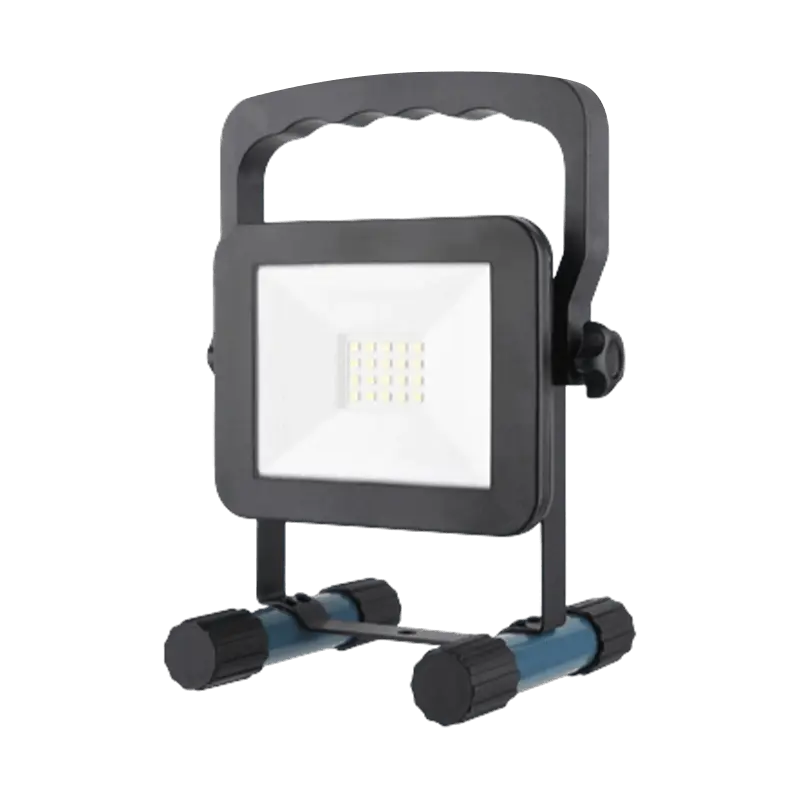
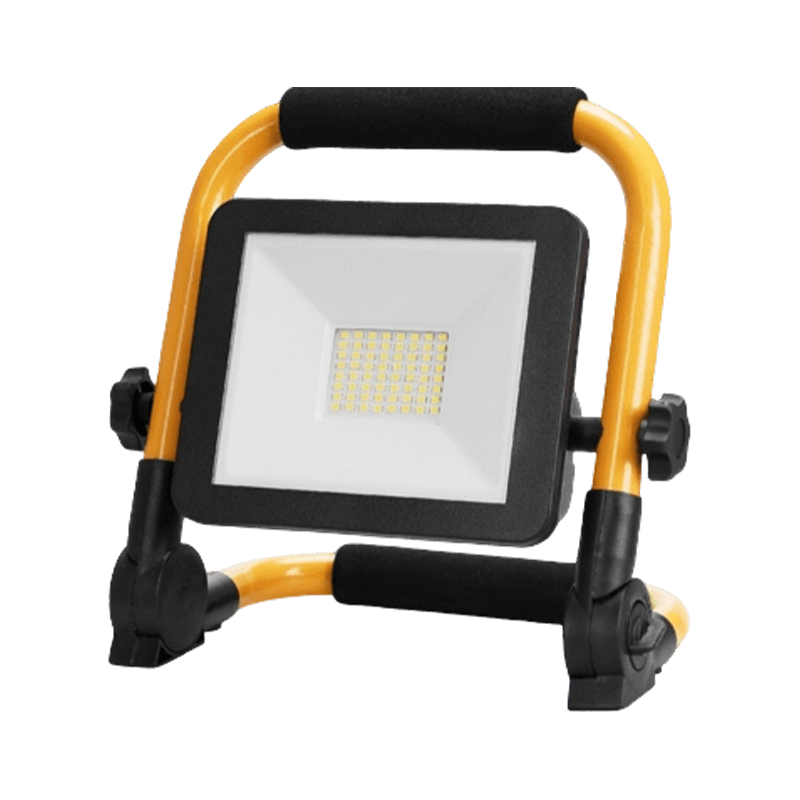
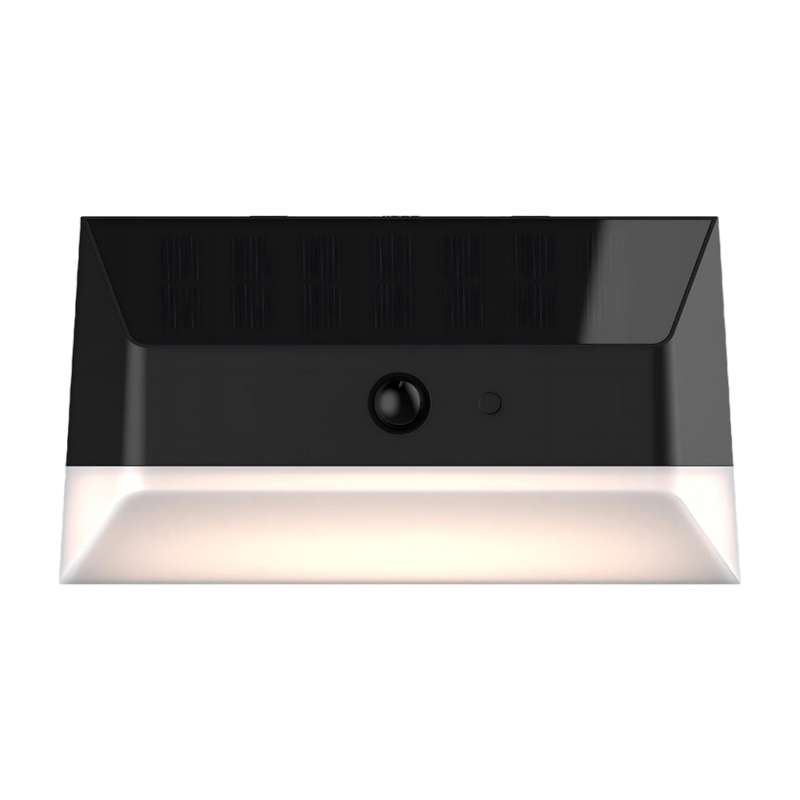
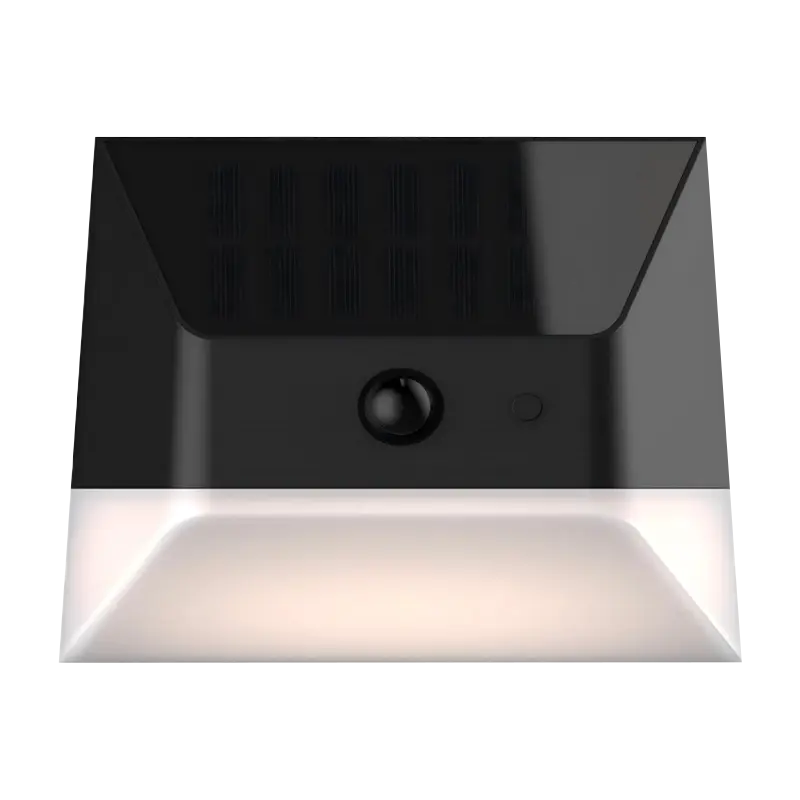
Rechargeable floodlights and inspection lights need rugged housings, impact resistance and high output. Magnetic bases, hooks and tripod threads often matter more than a few extra lumens. Solar garden lights add a small panel and typically use a 600 to 2,000 mAh LiFePO4 or NiMH cell.
Charging options and what they mean in daily use
USB-C has become the most practical charging standard because it uses cables most people already own, and it can be powered from a wall adapter, a power bank or a car. A typical 3,000 mAh light charged at 1 A takes about four hours, but the first 80% arrives much faster than the last 20%. Lithium cells charge at a constant current until they reach about 4.2 V and then switch to a tapering constant-voltage phase to avoid stress.
Illustrative curve. Real charging time depends on charger current, cell age and ambient temperature.
Other charging methods suit particular jobs. Dock charging is convenient for lights that live on a stand, such as emergency lamps and bike lights. Solar charging works for garden and camping lights, though a small panel in winter may only add a fraction of the energy a sunny summer day delivers. Hand-crank charging is a niche backup option; it produces only a few watts of human power, so it is best treated as a way to reach a few minutes of light, not a primary charger.
Look for a charge indicator and pass-through behaviour. A light that shows the battery level in at least three steps lets you decide whether to charge before a job. Pass-through charging, where the light runs while plugged in, is useful for workshops but should only be used if the manufacturer confirms the design supports it, because charging and heavy discharge together raise cell temperature.
The real cost of ownership compared with disposable-battery lights
The strongest practical argument for rechargeable lighting is cost per hour. Consider a torch that uses a set of disposable cells costing about $1.50 and lasting 12 hours. At four hours of use a week, that is roughly 208 hours a year and $26 in cells. A rechargeable equivalent might cost $18 more up front and add well under $1 a year in electricity, since a 11.1 Wh pack costs a fraction of a cent to fill.
Assumes $26 per year in disposable cells, an $18 rechargeable premium, small electricity cost and one $8 replacement cell in year four.
On those assumptions the rechargeable light breaks even in about eight to nine months. By year five the disposable-cell path has cost around $130 in batteries, while the rechargeable path has cost about $28.50 including a replacement cell. Heavier users gain even more: a work light used two hours every day would need over 700 disposable-cell hours a year, which makes a non-rechargeable option impractical on cost alone. There is also a waste benefit, since each rechargeable pack replaces hundreds of single-use cells.
The model has limits worth noting. A rechargeable light that sits unused for a year will self-discharge, and a poorly protected cell may fail early if left fully drained. For tools kept in a vehicle or a drawer for emergencies, plan to top up every three to six months.
Safety, certifications and protection ratings to check
A trustworthy rechargeable light can show evidence of safety testing for the battery, the charger and the enclosure. For lithium cells, look for transport testing under UN 38.3 and cell safety standards such as IEC 62133. For mains-connected chargers, expect electrical safety and electromagnetic compatibility marks suitable to your region, such as CE, UKCA or a recognised national safety listing. Restricted-substance compliance such as RoHS shows the product follows material limits.
Ingress protection (IP) ratings tell you how well the housing resists dust and water. The first digit covers solids and the second covers liquids, so the combination matters.
| Rating | What it means in practice | Suitable for |
|---|---|---|
| IPX4 | Resists splashing water from any direction | Camping lanterns, garage and porch lights |
| IP54 | Limited dust ingress and splash resistance | Workshop and construction-site lights |
| IP65 | Dust-tight and resistant to water jets | Outdoor floodlights, wash-down areas |
| IP67 | Dust-tight and survives temporary immersion up to 1 m | Marine, heavy rain and flood-prone sites |
Impact resistance is rated separately by the IK scale, and drop-test claims such as 1 to 2 metres are common for work lights. Check that the charging port has a cover or gasket, since an open USB-C port is the usual weak point in an otherwise sealed light.
Photobiological safety also deserves a glance for very bright lights, especially headlamps and floodlights that may be aimed near faces. Standards for lamp and luminaire photobiological safety classify blue-light risk groups, and a lower risk group is preferable for any light used at close range for long periods.
Maintenance habits that extend battery life
Battery life is shaped far more by how a pack is treated than by how many times it is used. Lithium cells age fastest when held at 100% charge in heat and when repeatedly drained to empty. Industry testing commonly shows that limiting a lithium-ion cell to roughly 20–80% charge can multiply its usable cycle count compared with always cycling 0–100%, although the exact figure depends on the cell.
- Charge at room temperature. Most lithium cells should not be charged below 0 °C or above about 45 °C, so bring a cold light indoors before plugging it in.
- Avoid leaving lights in a closed car in summer. Cabin temperatures can climb above 60 °C, which accelerates capacity loss.
- For storage longer than a month, leave lithium-based packs at about 40–60% charge in a cool, dry place and top up periodically.
- Use a charger or cable that matches the rated input. A very low-quality charger can output unstable voltage that stresses the protection circuit.
- Clean contacts and charging ports with a dry brush or cloth, and keep gaskets free of grit so the ingress rating is not compromised.
- Retire any pack that swells, leaks or becomes noticeably hot in normal use, and take it to a battery recycling point.
Replaceable-cell designs extend the life of the light itself. If a model uses a standard cylindrical cell in a removable holder, you can swap a worn cell for a few dollars and keep the housing, optics and driver in service for a decade.
A buying checklist for retailers, installers and facility managers
If you are specifying lights for a project or product line, a short checklist prevents the most common disappointments. Ask for verifiable data rather than marketing claims, and request sample units for runtime and thermal testing before committing to a volume order.
- Measured lumen output and runtime at every mode, ideally from an independent test report.
- Battery chemistry, rated capacity in mAh and Wh, and the cycle life to 80% capacity.
- Protection features: over-charge, over-discharge, short-circuit and temperature cut-off.
- Charging details: port type, input rating, charge time and the indicator behaviour.
- Ingress and impact ratings, plus the relevant electrical and battery safety certificates for your market.
- Colour temperature, CRI and flicker performance, particularly for indoor and task lighting.
- Warranty terms for the battery separately from the housing, and availability of replacement packs.
Customisation is another factor for projects. Housing colour, beam angle, mounting hardware, packaging and charging cable length can usually be adjusted for volume orders, and minimum quantities vary widely between suppliers. Confirm lead times for both the light and its battery, because cells are often the longest item in the supply chain.
Frequently asked questions
How long do LED rechargeable lights last on a single charge?
It depends on battery size and brightness. A light with an 11 Wh pack (3.7 V, 3,000 mAh) typically runs about 9 hours at 100 lumens, around 3 hours at 300 lumens and under an hour at 1,000 lumens. Choosing a lower mode for most tasks is the easiest way to extend runtime.
How many times can I recharge an LED light before the battery wears out?
Standard lithium-ion packs usually deliver 300 to 1,000 full cycles before dropping to 80% capacity, and LiFePO4 packs can reach 2,000 to 5,000 cycles. At a few charges per week, that translates to several years of normal use. Avoiding heat and deep discharges helps the pack last toward the upper end of those ranges.
Is it safe to leave a rechargeable LED light plugged in all the time?
Well-designed lights with proper charge-termination circuitry can stay on a charger safely, and emergency fixtures are built for that. For ordinary handheld lights, it is better to unplug once charged, especially in warm places, because holding a lithium cell at 100% for long periods shortens its life. Always use the charger or cable the manufacturer specifies.
What brightness do I need for camping, home backup and work?
For camping, 150 to 400 lumens covers a tent or table lantern, with a headlamp at 200 to 500 lumens for walking. Home backup lighting works well at 100 to 300 lumens per room, and work or inspection lights are best at 500 to 1,000 lumens or more depending on distance. Adjustable modes let one light cover several tasks.
Can I use a rechargeable LED light outdoors in the rain?
Yes, if the housing and charging port are rated for it. IPX4 handles splashes and light rain, IP65 copes with rain and hose spray, and IP67 survives short immersion. Make sure the port cover is closed during use, and dry the light before charging it so moisture does not reach the contacts.