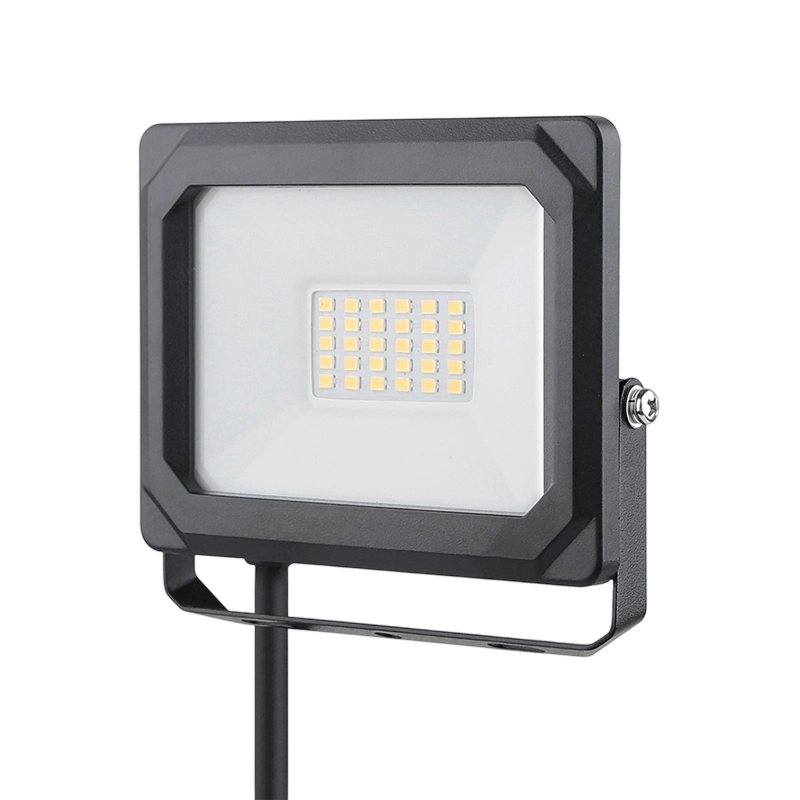
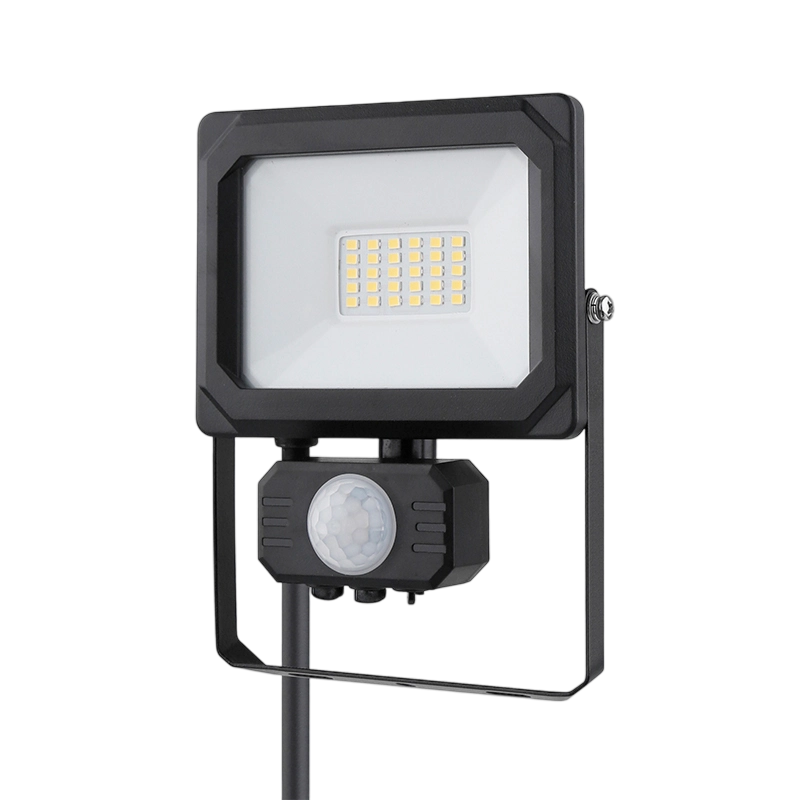
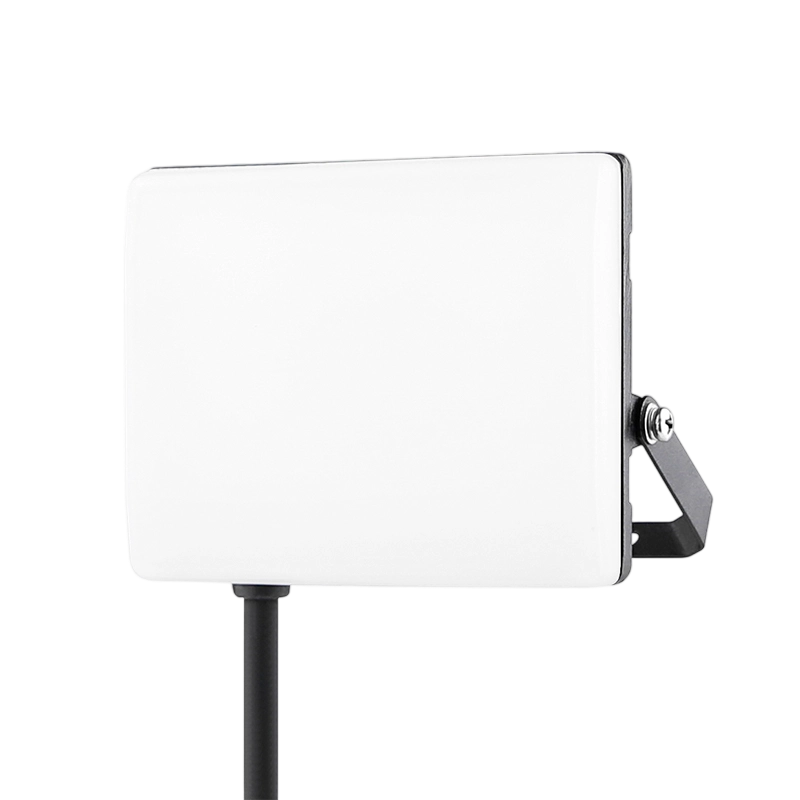
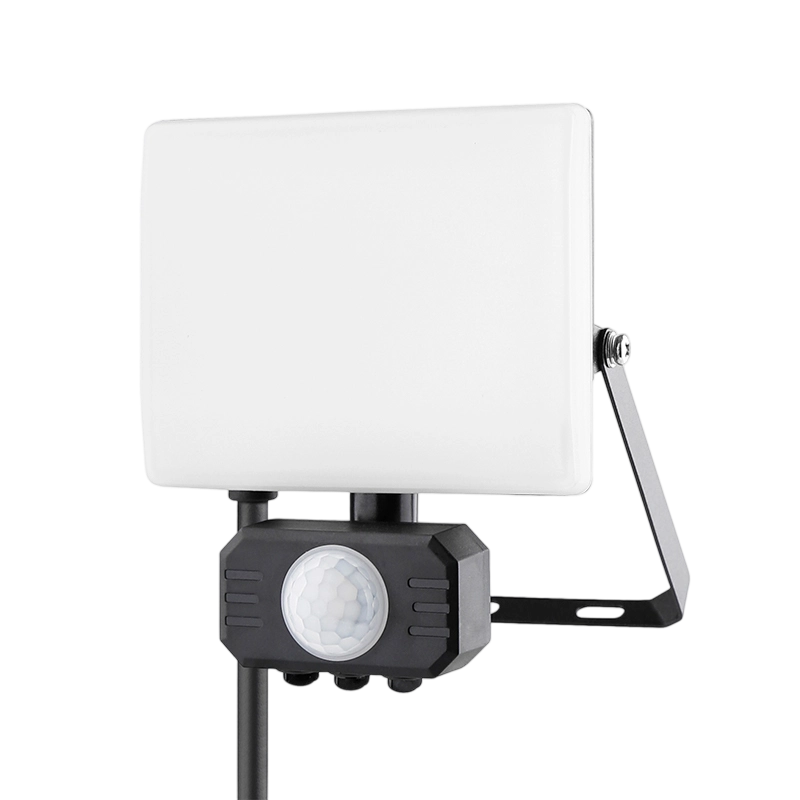
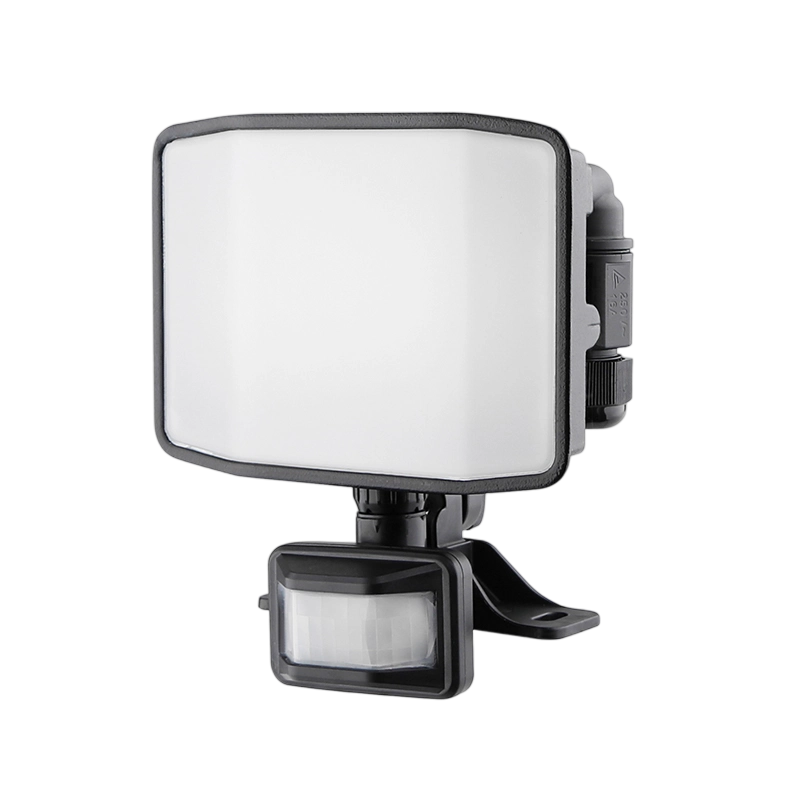
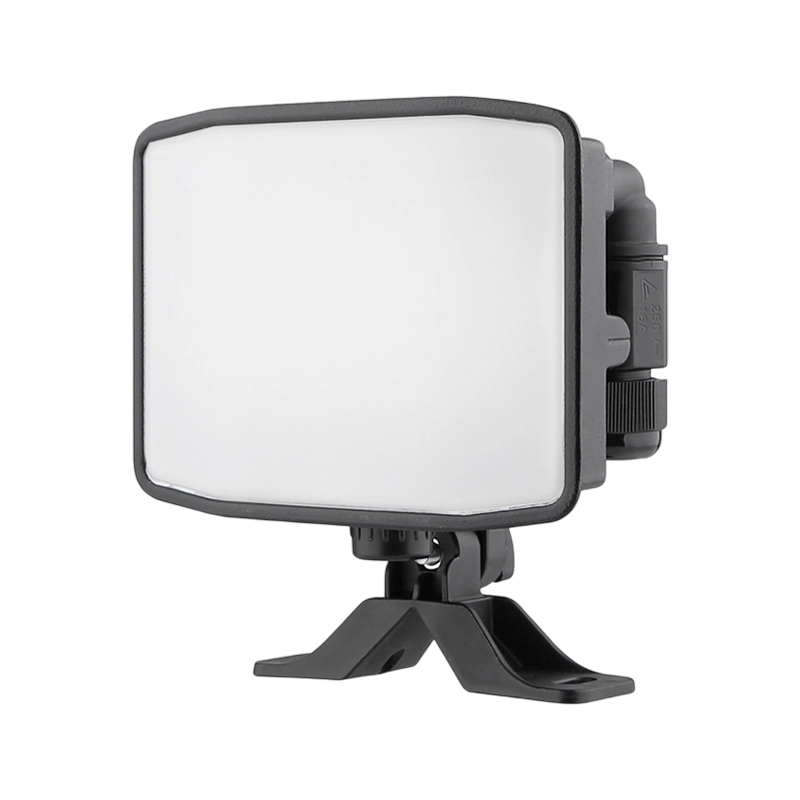
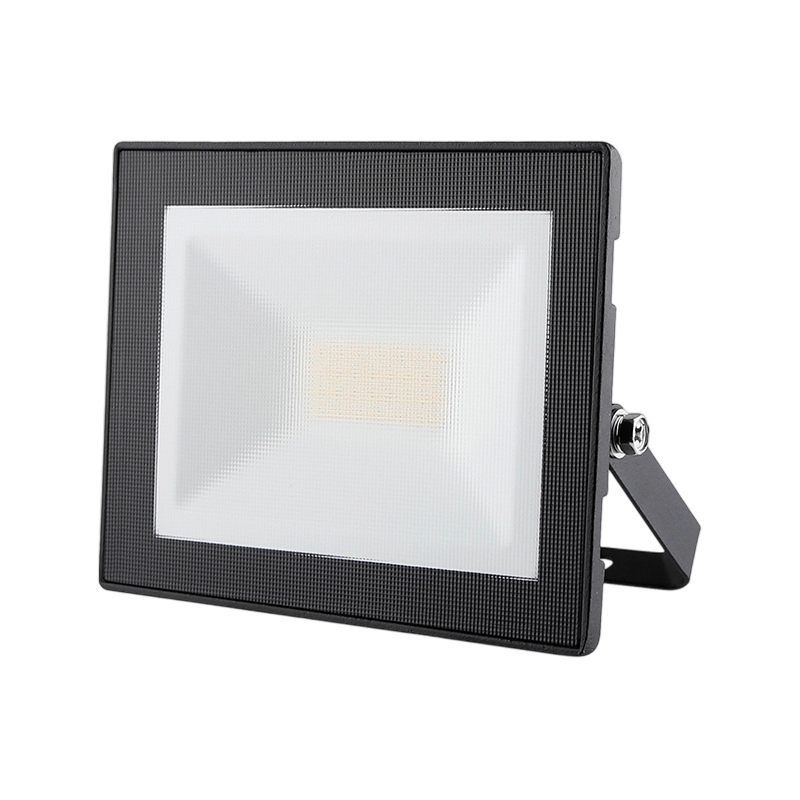
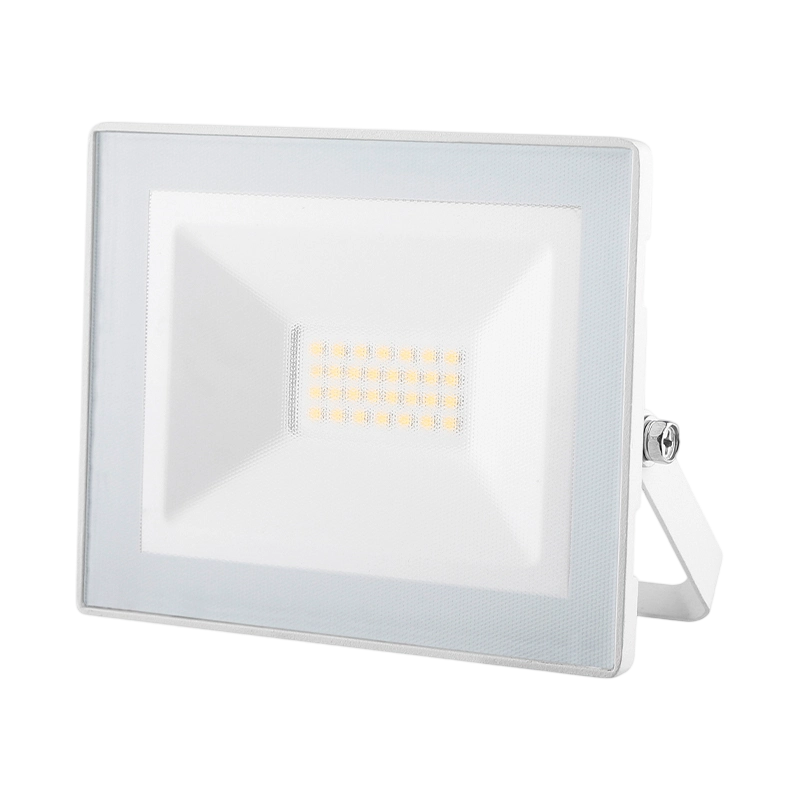
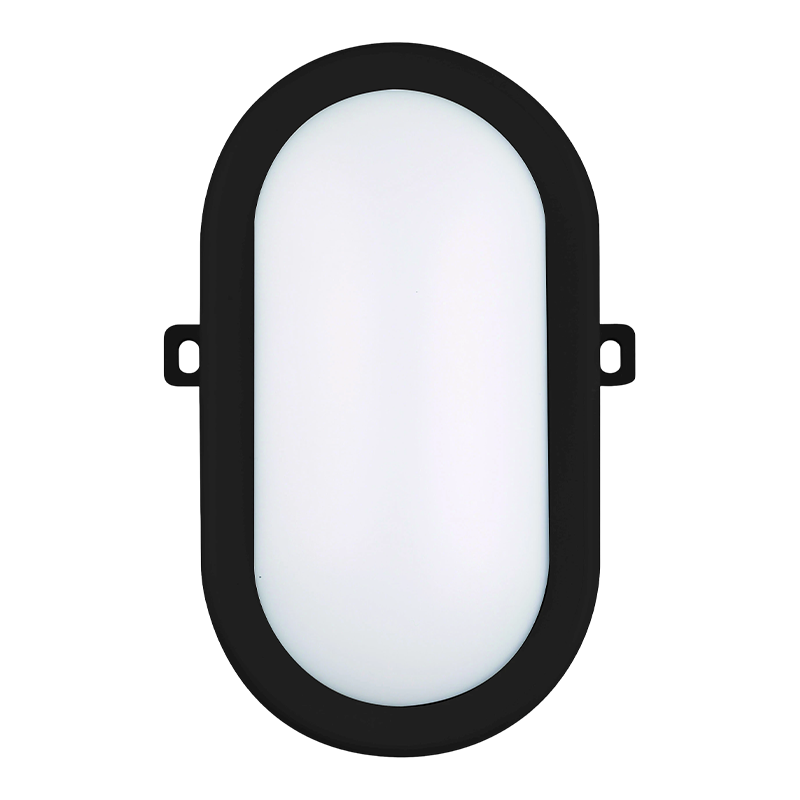
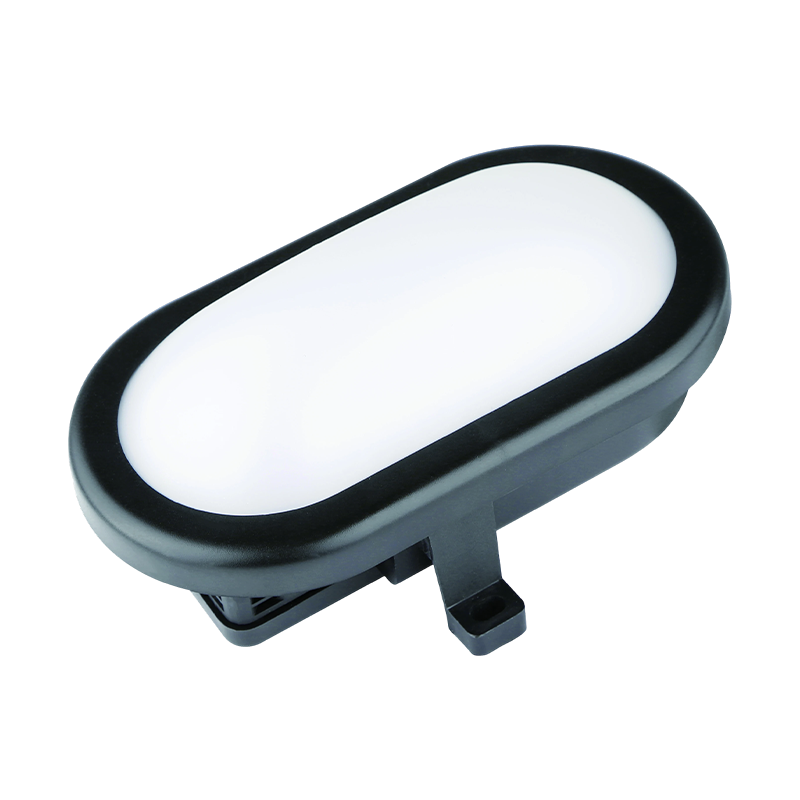
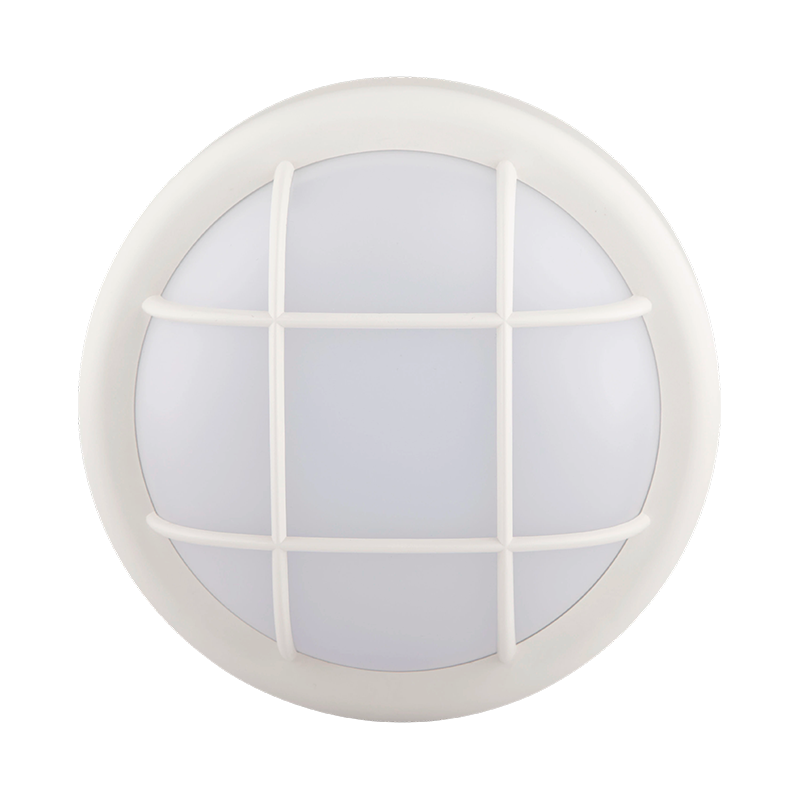
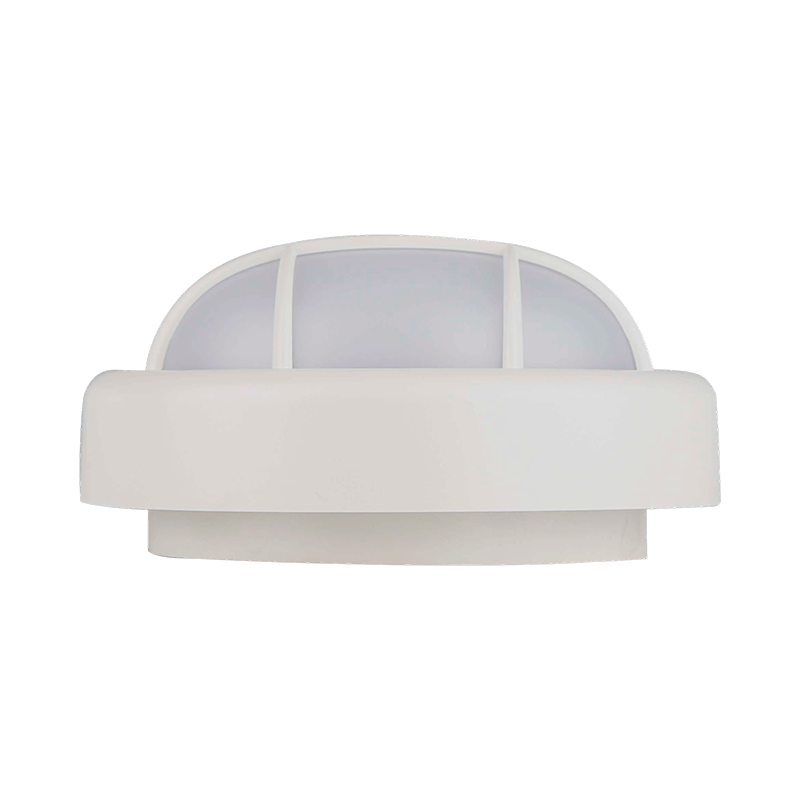
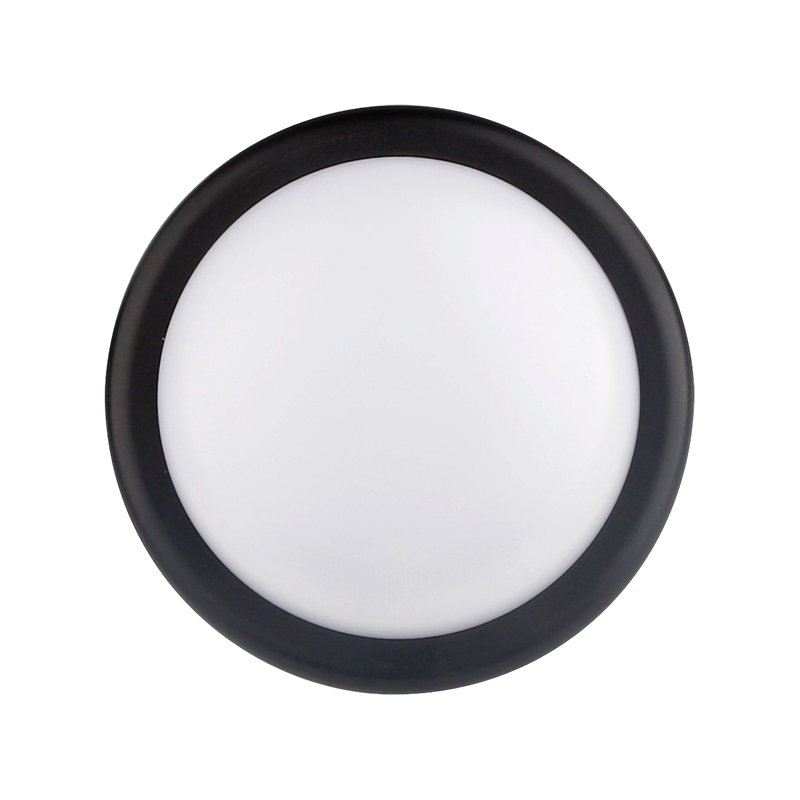
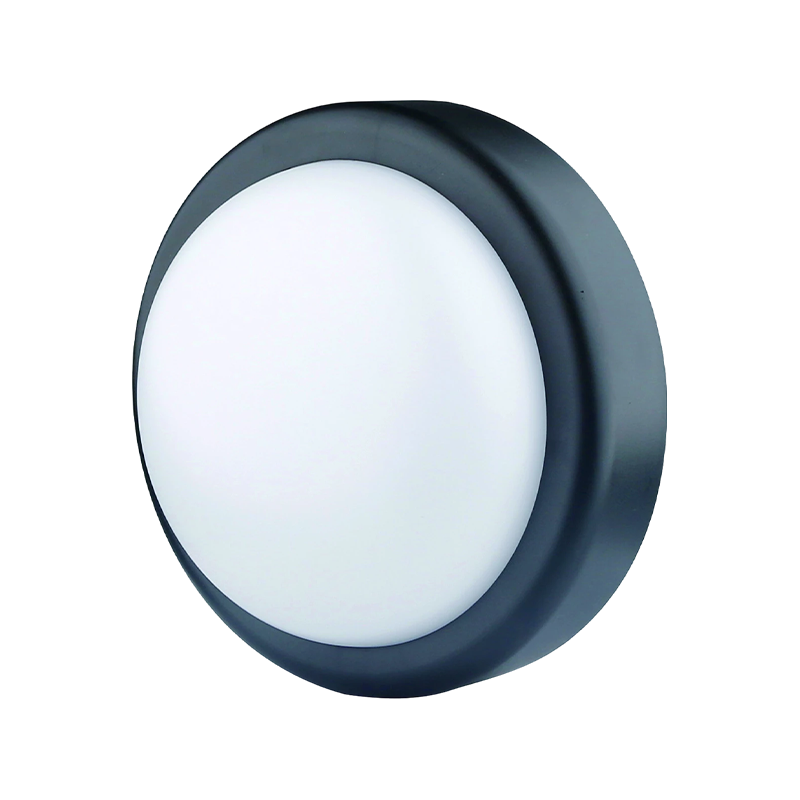
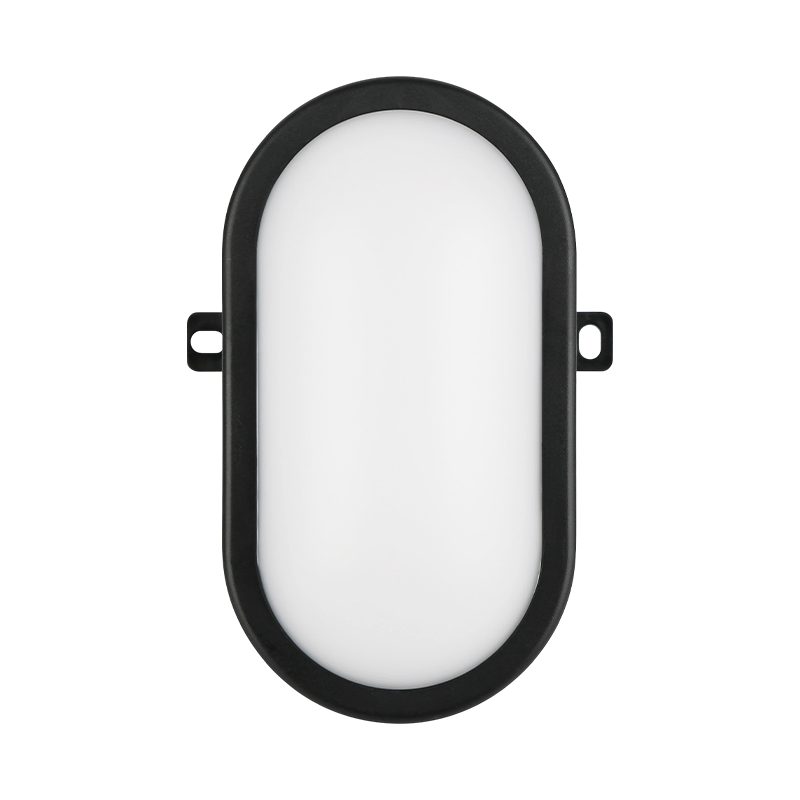
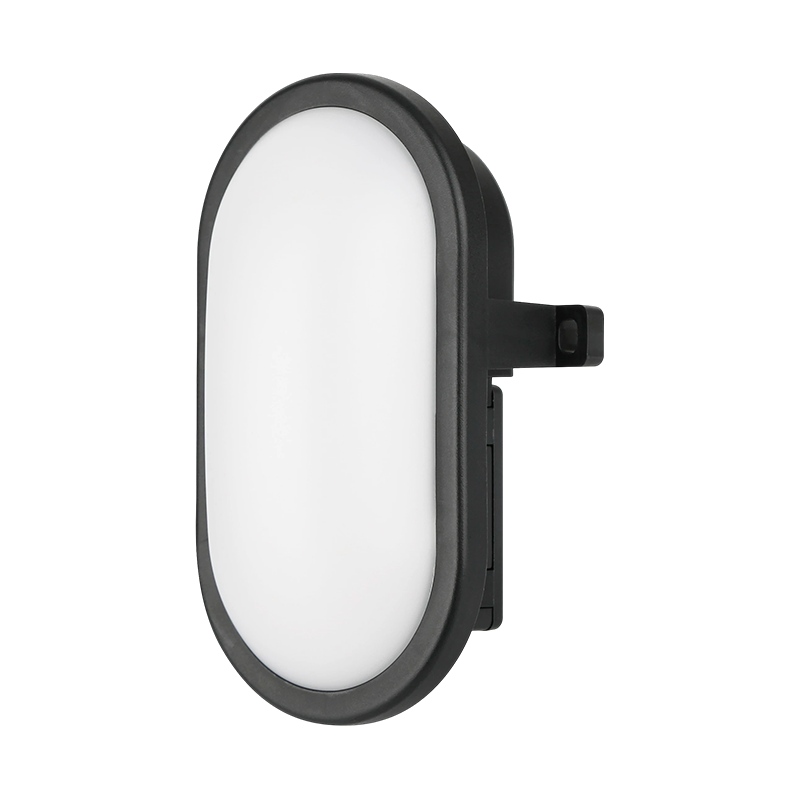
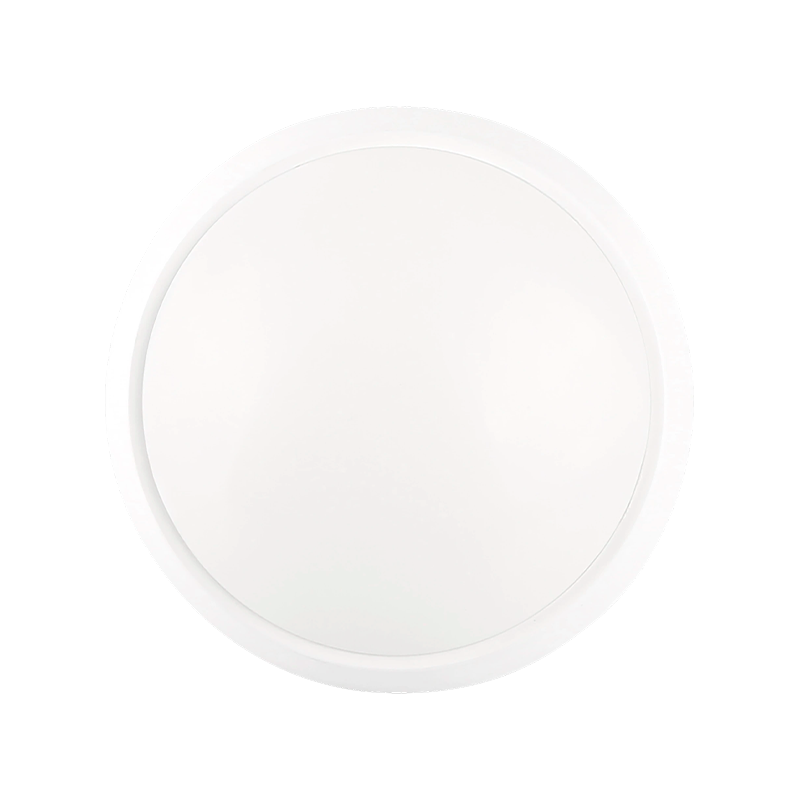
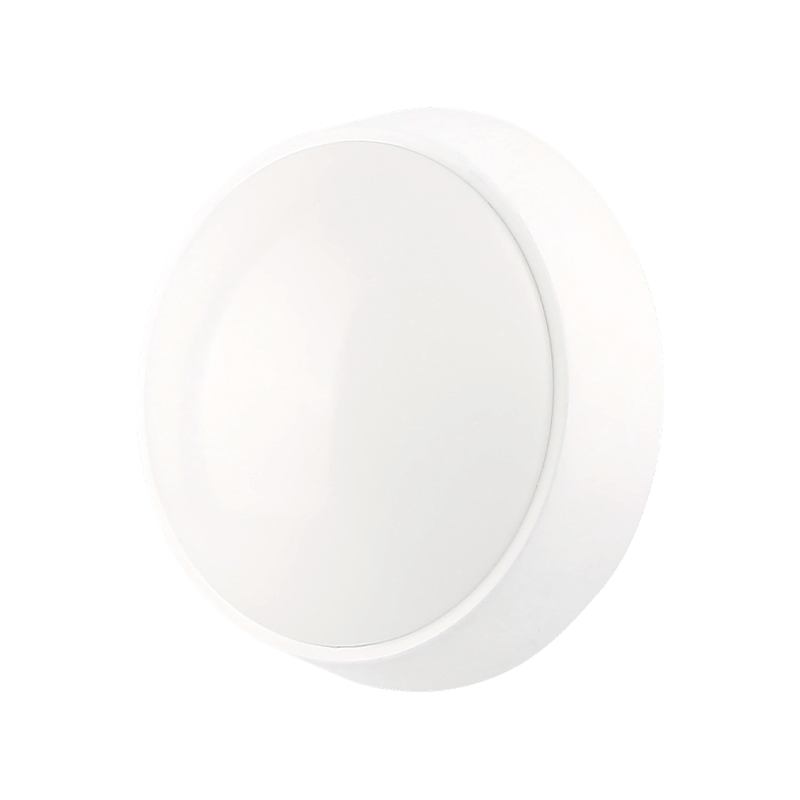
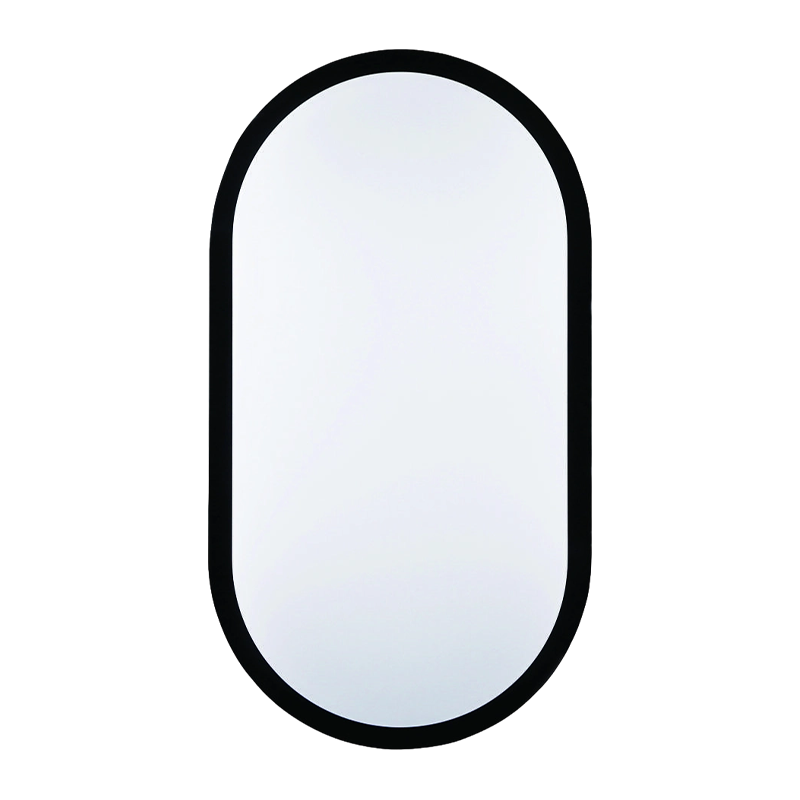
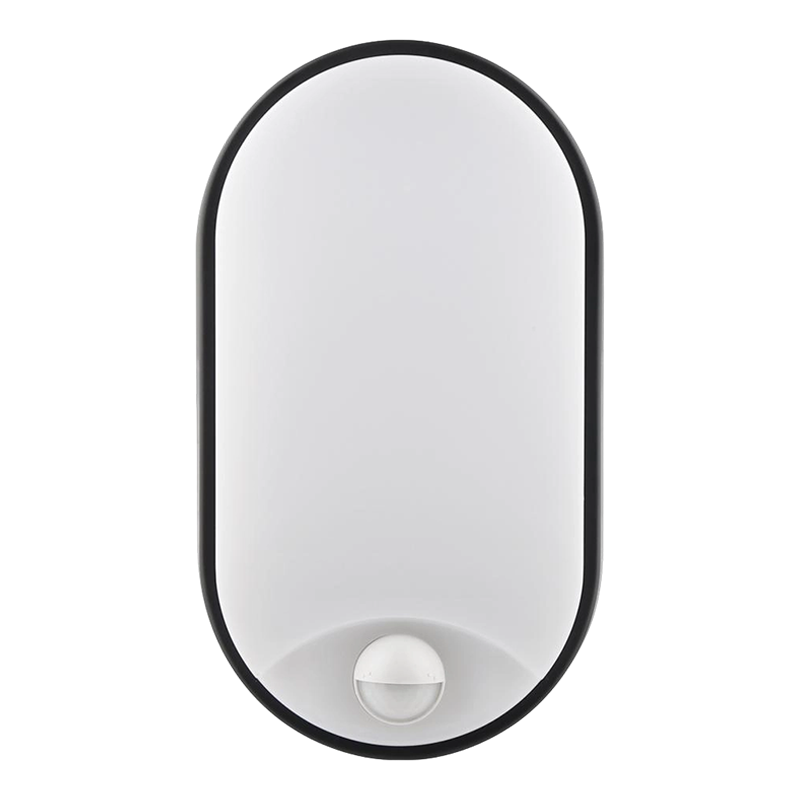
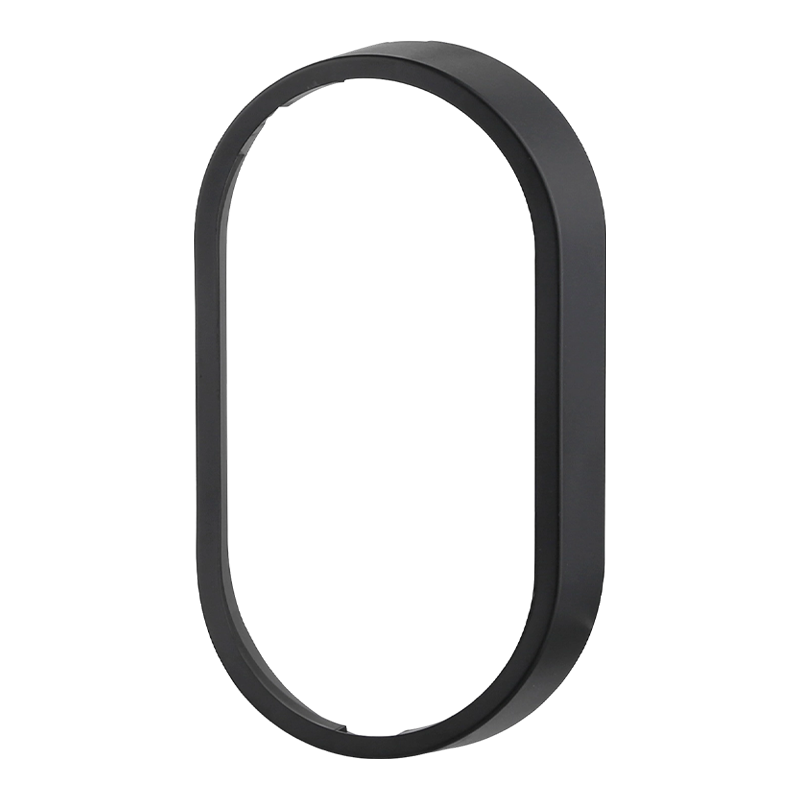
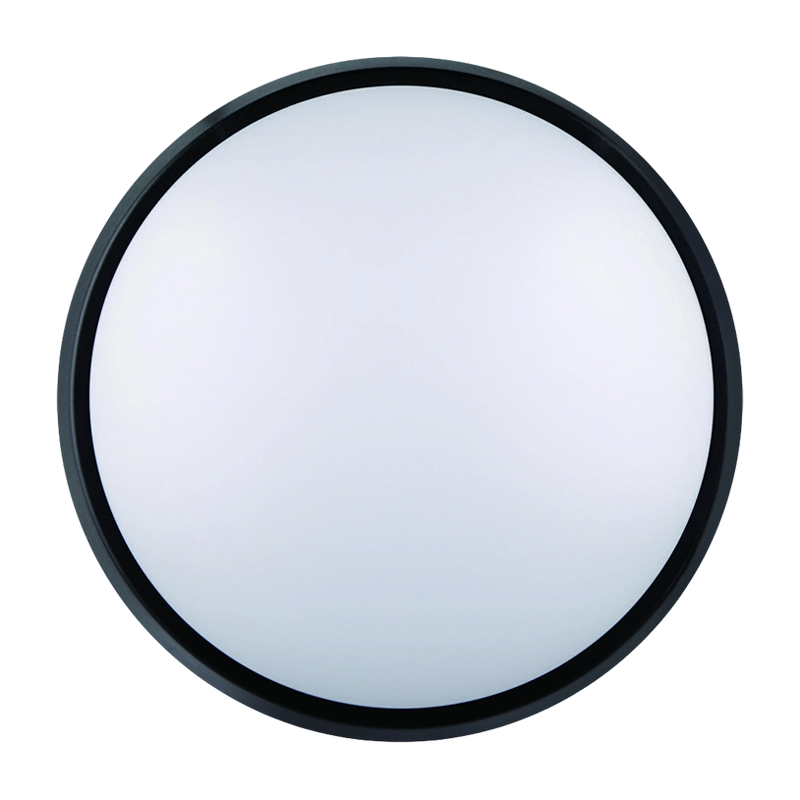
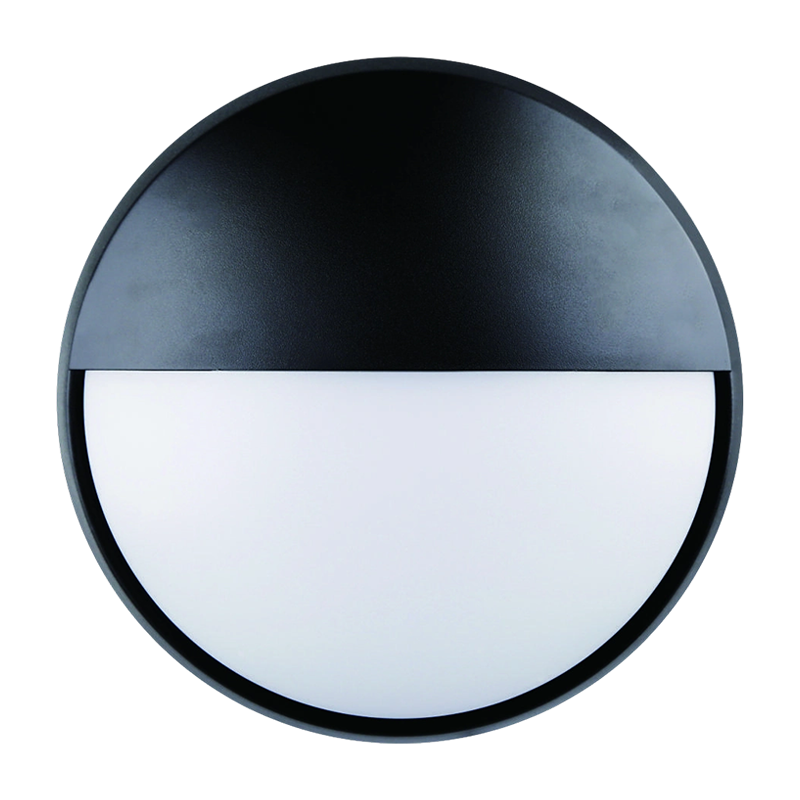
Ningbo Hengjiu Lighting Co., Ltd. develops and produces custom LED fixtures for outdoor, portable and task lighting programmes. Our Custom LED Fixtures range is organised into four families — LED floodlights, LED bulkheads, rechargeable worklights and solar wall lights — and supplied as OEM or ODM projects from our factory in the Hangzhou Bay Economic Development Zone, Ningbo, Zhejiang, China. Standard models can be adjusted for a specific market, and new fixtures are developed from a designer brief through prototyping, moulding, trial batches and volume production.
Four product families
Floodlights, bulkheads, rechargeable worklights and solar fixtures.
Tooling in house
Die casting, spraying, injection, SMT, assembly and laboratory testing.
Field-adjustable options
3CCT, multi-wattage switching, PIR and microwave sensing.
Product range and application fit
Each family answers a different installation problem: permanent mains lighting with a controlled beam, sealed interior or semi-exposed wall lighting, cordless illumination where power is not available, and fully wiring-free solar lighting. The table below shows how we position the four ranges and which configuration levers we adjust per project.
| Range |
Construction focus |
Application fit |
Configuration levers |
| LED Flood light |
Die-cast body, glass or polycarbonate front, smart plug-in sensor variants |
Driveways, pathways, signage, wall washing, patios, car parks, garages, work yards and public space |
Wattage, CCT, PIR or plug-in sensor, glass versus PC optic, fixed or multi-angle head |
| LED Bulkhead light |
High-tensile luminaire body with high-impact opal polycarbonate diffuser, IP65 sealing |
Bathrooms, kitchens, corridors, stairwells, hotel, school, retail, office, hospital, library |
Single CCT or 3CCT, 3-watt selectable, microwave or PIR motion sensor, grill or plain diffuser |
| LED Rechargeable Lights |
Lithium battery, USB-C charging, cordless housing rated IP54 and IK06 |
DIY, maintenance, garages, workshops, camping, emergency and inspection work |
Hook and magnetic mounting, slimline steel stand, foldable steel stand, stepped dimming with SOS |
| LED Solar Light |
ABS body with high-impact PC diffuser, solar panel and long-life battery, IP65 |
Boundary walls, gate posts, pathways, stairs and decorative facades without mains access |
Round, compact or high-output decorative formats, PIR motion sensor, single CCT solar bulkhead |
Floodlight projects usually come down to two decisions: how the light is aimed and how the front is made. The TWA multi-angle adaptive floodlight and the TBC2 adjustable floodlight suit wall washing and sign illumination where the beam has to be trimmed on site, while the TBA Glass Smart Plug-in Floodlight and the TBA PC corrosion resistant LED floodlight cover, respectively, installations that value optical clarity and installations exposed to coastal, chemical or high-humidity air.
Custom configuration: what we change per project
Customisation at Hengjiu is a set of engineering variables rather than a single catalogue option. We agree the working point first, then build the fixture around it.
- Light output and wattage — LED board, driver current and heat sink sized to the target lumens and the hours the fitting runs each night.
- Colour temperature — fixed single CCT, or field-selectable 3CCT switching across 3000K, 4000K and 6500K for stockists serving mixed installations.
- Sensor behaviour — PIR or microwave motion detection, plug-in sensor variants for bulkheads, or no sensor where a separate control device governs the circuit.
- Front and diffuser — tempered glass where beam control matters, polycarbonate where impact and corrosion resistance matter.
- Housing and finish — die-cast aluminium, ABS or polycarbonate bodies with sprayed finishes matched to a RAL reference.
- Mounting and interface — fixed brackets, adjustable heads, steel stands, hooks and magnetic bases, plus cable entry and plug type for the destination market.
- Branding and packaging — logo application and colour-box artwork, including FSC logo use on colour boxes where the packaging programme requires it.
Housing engineering, materials and sealing
Lamp bodies pass through four controlled machining steps before assembly. Because the sealing face, thread quality and edge finish all come from these operations, they set the practical IP performance of the finished fixture.
- High-pressure die casting — aluminium die-casting machines hold structural integrity and dimensional accuracy for heat dissipation and service life.
- Surface polishing — mechanical polishing for a smooth texture, then chemical polishing for uniform lustre before spraying.
- CNC precision edge grinding — automated edge grinding removes burrs so covers seat evenly against IP65-rated gasket components.
- High-speed CNC drilling and thread tapping — wiring channels drilled to ±0.05 mm tolerance, with automated tapping for corrosion-resistant screw threads under ISO 9001 procedures.
Material selection follows the environment. Bulkheads use a high-tensile body with a high-impact opal polycarbonate diffuser and IP65 sealing, which also delivers 60–70% energy saving against the fittings they typically replace. Rechargeable worklights are specified to IP54 and IK06 with a lithium battery and USB-C charging. Solar fixtures combine ABS bodies with high-impact PC diffusers, high-efficiency panels and long-life batteries, and need no wiring at all.
Manufacturing and quality control
Our Ningbo plant runs metal spraying, injection, SMT, assembly and warehousing alongside an in-house laboratory, so the housing, electronics and final test stages stay inside one production chain. Development follows a fixed sequence: data acquisition, designer resource, engineering, prototype, moulding, small batch trial production and mass production.
Process control points: incoming material selection, die-cast and sprayed body inspection, SMT board production, assembly, laboratory verification of finished luminaires, and batch documentation held against the approved sample. Our engineering on-time-delivery rate is above 98%, and our LED fixtures are rated for more than 25,000 hours of operation.
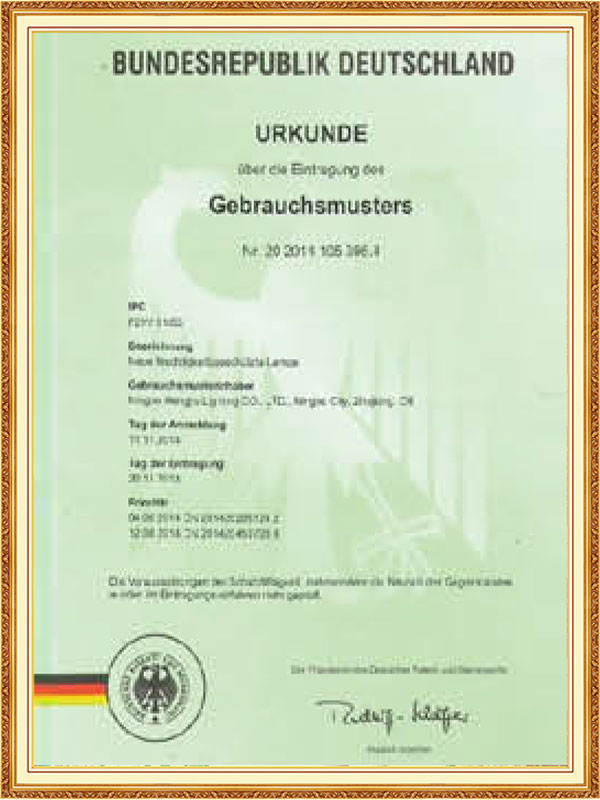
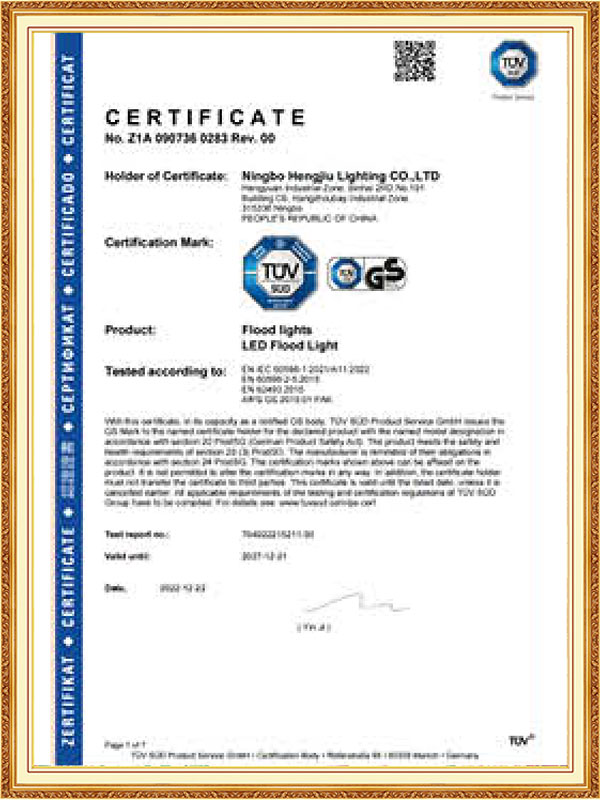
Quality management is certified to ISO 9001 and ISO 14001, with BSCI social compliance for the facility. ERP-oriented floodlight designs are available where a market applies energy-related product requirements, and most of the range carries international approvals including GS, CE, EMC, ERP, ROHS, REACH, PAHS, CB and SAA issued through TUV, BV, SGS and DEKRA. The relevant approvals are confirmed against the final configuration and destination market before a programme is released.
Sensors, controls and automation integration
Our fixtures integrate smart motion sensing and precise dimming, which keeps energy use proportional to real occupancy rather than to switch-on hours.
- Motion sensing — PIR and microwave options across bulkheads and floodlights, with solar models carrying PIR detection on the IP65 range.
- Plug-in sensor bulkheads — the FMA and FMB third-generation housings accept plug-in sensor modules, so one body serves switched and sensor-controlled installations.
- Field-selectable switching — 3CCT and 3-watt adjustable bulkheads let an installer set colour temperature and output at commissioning instead of carrying multiple stock lines.
- Stepped dimming — rechargeable worklights offer 100%, 75%, 50% and SOS output steps to trade brightness against runtime.
Where a fixture sits inside a larger lighting scheme, we confirm the interface points at quotation stage: supply voltage, cable entry or plug standard, sensor sensitivity against mounting height, and whether the fitting is switched locally or from a central circuit.
Installation, commissioning and serviceability
Mounting hardware is treated as part of the fixture design rather than an accessory. Adjustable and multi-angle floodlights allow the beam to be aimed after the bracket is fixed, rechargeable models ship with hooks, magnetic bases, slimline or foldable steel stands, and solar models install without any cable run.
Because bulkhead and floodlight covers are opened during installation and cleaning, the design keeps gasket compression and screw-fixed front covers in mind so the sealing face returns to position reliably. Diffusers, front covers and drivers are accessible from the front of the fitting, and moulded parts are produced from our own tooling, which supports consistent reproduction in later repeat batches.
Information we use to configure your solution
We prepare a configuration and quotation from the project brief rather than from a model number alone. The inputs below are the ones that change the engineering outcome.
| Project input |
What it determines |
| Installation location, mounting height and exposure |
IP and IK target, housing material, beam angle and sensor choice |
| Required wattage or lumen output and daily running hours |
LED board, driver current, heat sink size and expected service life |
| Colour temperature, single or field adjustable |
LED binning and whether a 3CCT switching interface is built in |
| Switching and control requirement |
PIR, microwave, plug-in sensor module or plain switched fitting |
| Supply voltage, cable entry and plug standard |
Driver input range, cable gland, termination and lead length |
| Finish colour and branding |
Spraying reference, logo application and colour-box artwork |
| Destination market and approvals required |
Approval route, ERP-oriented design and documentation set |
| Quantity, packaging and repeat schedule |
Trial batch size, tooling plan and master carton configuration |
Samples of one model or mixed models are available for test and check before a programme is confirmed, and our OEM and ODM service covers the full path from idea to lighting solution. Fixtures from this range are already supplied to Europe, the Middle East, South Africa, Australia, Southeast Asia and Mexico.
Frequently asked questions
Are these LED fixtures manufactured in your own factory?
Yes. Every lamp in the LED Series is produced through our own factory in Ningbo, Zhejiang, China, where we run injection, metal spraying, SMT, assembly and laboratory operations under ISO 9001 and ISO 14001 management systems, with BSCI social compliance.
Can you develop a fixture to our own specification?
Our OEM and ODM service covers light output, colour temperature, sensor type, switching steps, body material, finish, mounting method, connector type and branding. We take a drawing, sample or written brief through engineering, prototyping, moulding and a small trial batch before mass production begins.
Which approvals apply to the range?
The plant holds ISO 9001, ISO 14001 and BSCI. Most products carry GS, CE, EMC, ERP, ROHS, REACH, PAHS, CB or SAA approvals issued through TUV, BV, SGS and DEKRA, and we confirm which of these apply to the final configuration and destination market before release. FSC logo printing on colour boxes is available for packaging programmes that require it.
Should a floodlight use a glass or a polycarbonate front?
Tempered glass protects beam control and light distribution, which suits signage, wall washing and facade lighting. Polycarbonate fronts resist corrosion and impact, so we specify them for coastal, chemical and high-humidity locations. Both the TBA Glass Smart Plug-in Floodlight and the TBA PC corrosion resistant LED floodlight are built on the same body platform.
How do sensors and adjustable settings work on site?
Bulkheads can be supplied with microwave or PIR motion sensors, or with plug-in sensor modules on the third-generation housings, while solar models include PIR detection as standard on the IP65 range. Field-selectable 3CCT and 3-watt versions let the installer set colour temperature and output at commissioning, and rechargeable worklights switch between 100%, 75%, 50% and SOS output.
What do you need from us to prepare a quotation?
Send the installation environment, mounting height, target wattage or lumens, colour temperature, control requirement, supply voltage and plug standard, desired finish and branding, the approvals needed for the destination market, and the quantity and repeat schedule. With those inputs we confirm the model, tooling position, sample plan and packaging scope for the programme.



 English
 Español